Announcement
5 min read

Meet Hassan Chaudhury, Strategic Adviser

Published on
August 20, 2026
Contributors
Lyrebird Health
Subscribe to our newsletter
Read about our privacy policy.
Thank you! Your submission has been received!
Oops! Something went wrong while submitting the form.

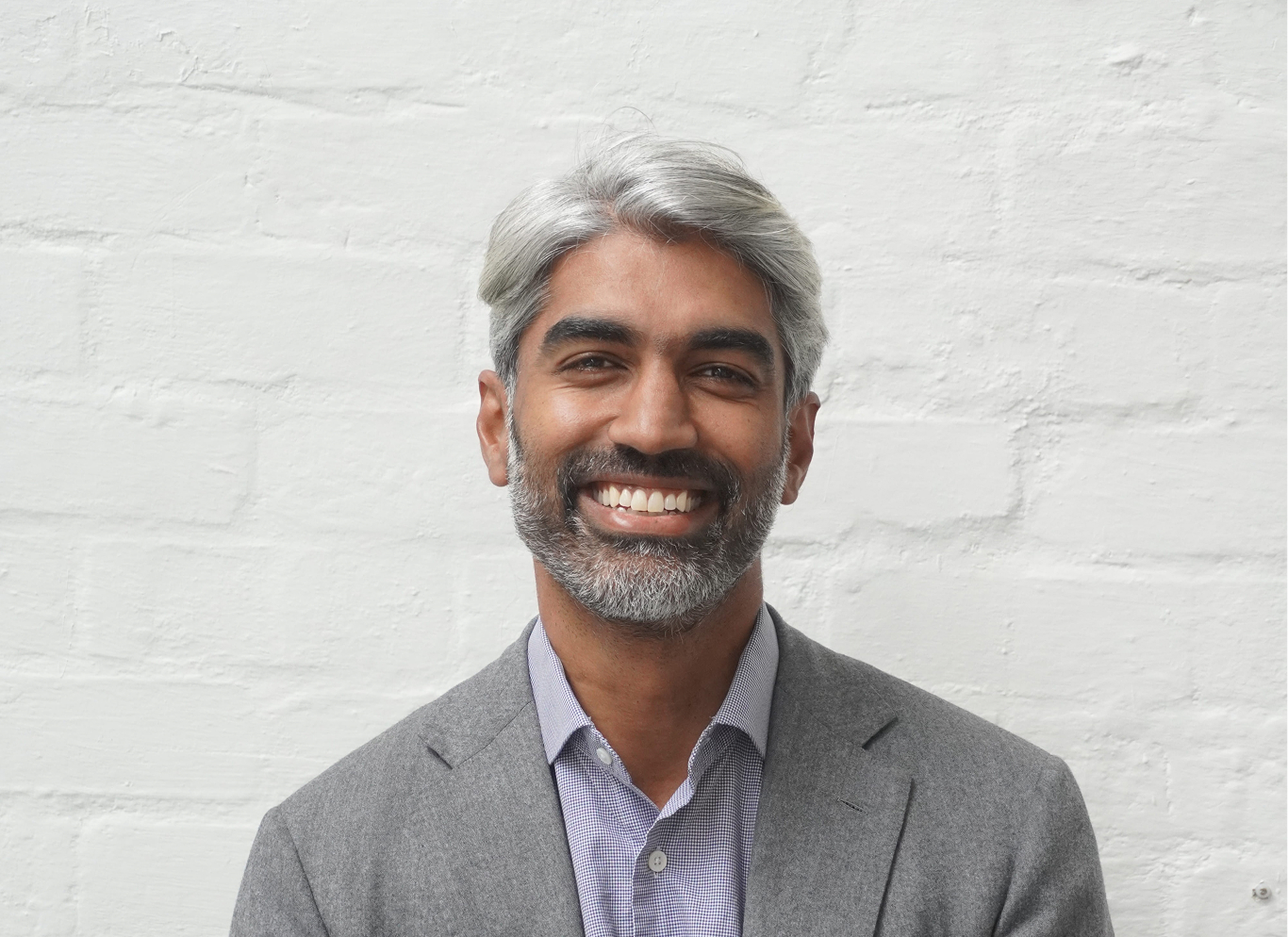
Trusts trying to make sense of a fast-moving AI and AVT landscape need people who understand both the clinical reality on the ground and how to build something that lasts. This is what Hassan Chaudhury brings to Lyrebird Health.

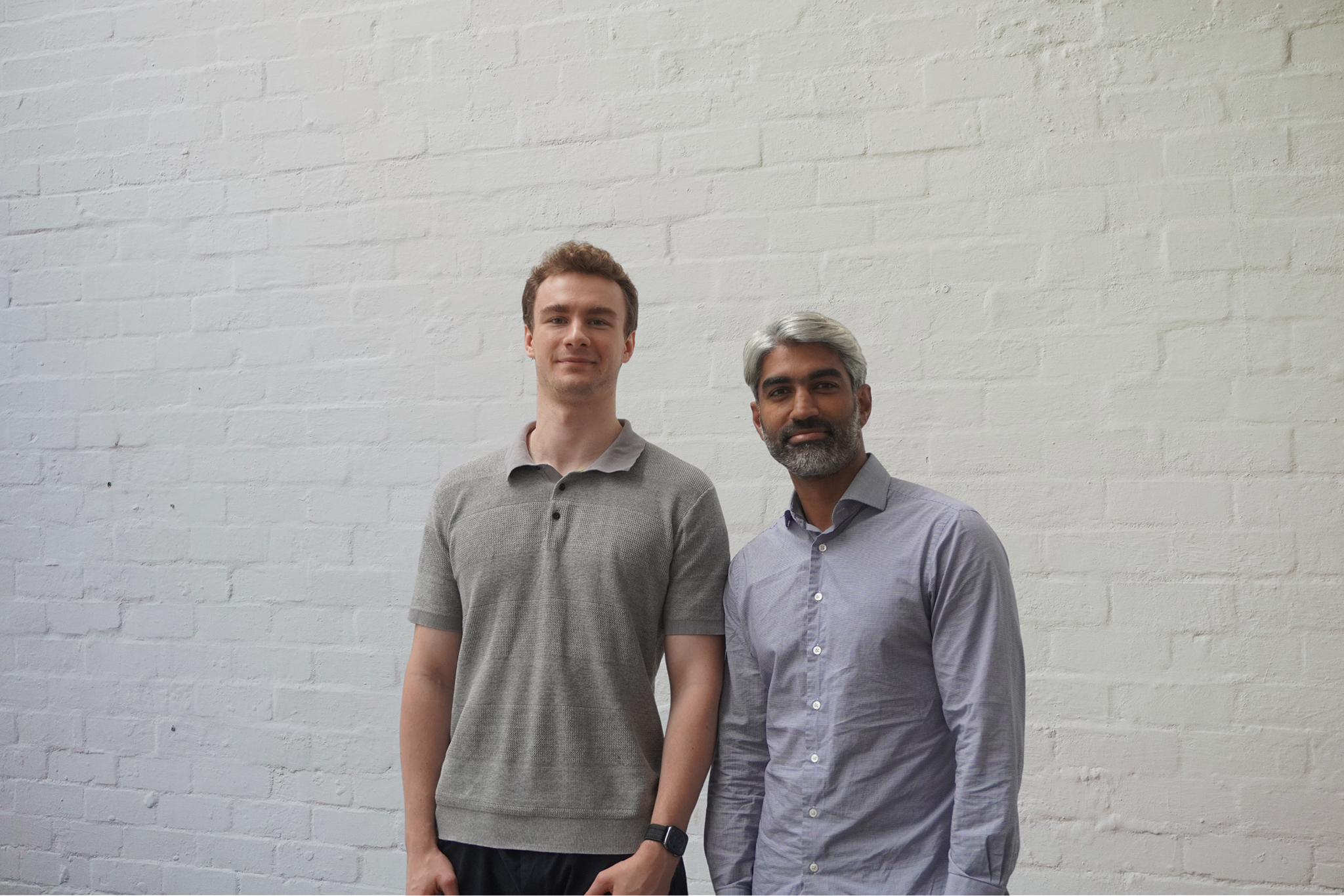
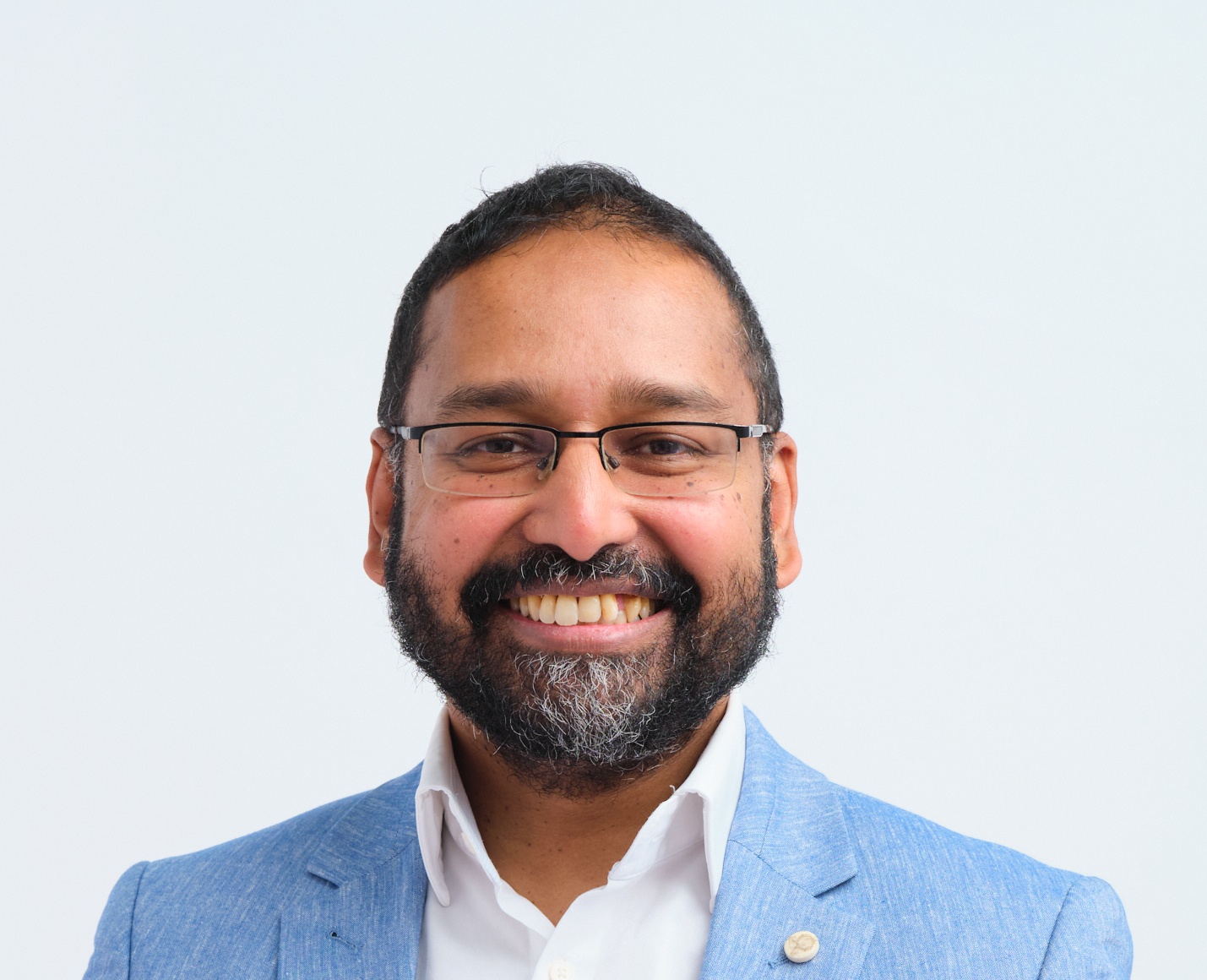
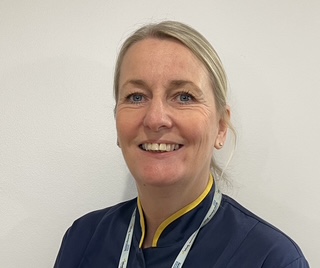
We're pleased to welcome Hassan to the team as our Strategic Adviser.

At Lyrebird Health, we know that lasting change in the NHS comes from people who understand both the clinical reality on the ground and how to build something sustainable around it. Hassan's appointment reflects that. His background across NHS commercial leadership and international trade means he brings a grounded, practical view of what NHS organisations actually need, and how to help that translate into something that lasts beyond the initial rollout.

Hassan brings a rare breadth of experience to the role. As the UK Government's Global Digital Health Specialist for international trade at Healthcare UK, he wrote the First 100 Export Playbook, helping British health technology companies enter markets they didn't yet understand, work he's spent recent years reversing by bringing overseas health innovation into the UK. Inside the NHS, he was interim Head of Commercial at Great Ormond Street Hospital for Children NHS FT and is Commercial Director for DATA-CAN, the Health Data Research Hub for Cancer. He also co-founded Health iQ, sits as an Expert in Residence at the London Institute for Healthcare Engineering, and is a Committee Member of HIMSS UK&I.


Upon his appointment, Hassan sat down with the team for a discussion. Here's what we got into:


You've spent your career moving between the NHS and the commercial world, what made Lyrebird the right place to bring those worlds together?

"Most health technology fails at adoption, not invention. The NHS has no shortage of good ideas. It has a shortage of things adding value safely without adding friction so that they're still being used six months after go-live. Ambient voice is the clearest test of that I have seen: it either gives a clinician their evening back or it doesn't, and they'll tell you within days. Lyrebird is the AVT with the most UK deployments, and the most UK clinical users. It is already at a scale where that question gets answered honestly, which is why I said yes. The priority now isn't about picking suppliers. It's about ensuring we get the most value from the technologies we deploy once the go-lives are over."

What's changing in the NHS/AVT market right now, and what opportunities does that open up for trusts?

"NHS England is putting real money behind this now, £10bn over the next three years, with wider access to integrated AVT for staff sitting alongside a new AI triage tool in the NHS App. The direction is clear: EPR-integrated AVT is being set as the baseline, not standalone tools bolted on the side. That's the opportunity for trusts. Notes that flow straight into the patient record deliver more value than another tool clinicians have to work around, and it's particularly meaningful in mental health and community services, where documentation can span thirty or forty different form types and the burden is heaviest."

What are the biggest challenges NHS trusts are facing at the moment?

"Data quality is the real constraint, not the technology. AI doesn't make poor data reliable just by processing it, and it amplifies whatever it's placed into, strengths and weaknesses alike. There's also a timing trap worth naming: saving time isn't the same as creating productive time. Unless trusts deliberately redesign how roles and pathways work around the tool, the hours saved don't automatically turn into capacity gained."

With serious funding now behind AI in the NHS, what does it take for that investment to translate into real, lasting impact, not just adoption numbers?

"Technology on its own won't deliver transformation, people will. Staff need time, training and leadership support to adopt new ways of working, and services need to be redesigned around patients rather than simply digitising what already exists. Tying funding to evaluation frameworks and real-time measurement of benefits matters too, because there's still limited evidence on the scale of productivity gains that are realistically achievable, and honest, rapid evaluation is what turns that uncertainty into something trusts can act on."

What's the one piece of advice you'd give any NHS trust thinking about AI right now?

"Get the foundation right first. When AI and AVT are grounded in guidance the organisation actually trusts, and that guidance is kept current rather than left to go stale in a departmental folder, everything built on top of it works better. That's what moves the needle on productivity and patient safety, not any single tool."

At Lyrebird Health, we believe lasting change in the NHS comes from people who understand both the clinical reality on the ground and how to build something sustainable around it. Hassan's appointment reflects that commitment, and we're looking forward to what his experience brings to our work across the UK.

More Resources
Continue reading
Posts
The dangers of Copy Paste Scribes
Read More
Posts
How to use an AI medical scribe
Read More
Posts
December Product Updates
Read More
Announcement
Kingston and Richmond NHS Foundation Trust go live with Lyrebird, fully integrated with their EPR from day one
Read More
Announcement
Meet Professor Jacqui Cooper, Chief NMAHPs Lead for UKI & EMEA.
Read More
Announcement
Lyrebird Health is ISO 27001 Certified Clinical AI Platform
Read More
Announcement
5 min read

Meet Hassan Chaudhury, Strategic Adviser

Published on
August 20, 2026
Contributors
Lyrebird Health
Subscribe to our newsletter
Read about our privacy policy.
Thank you! Your submission has been received!
Oops! Something went wrong while submitting the form.

Trusts trying to make sense of a fast-moving AI and AVT landscape need people who understand both the clinical reality on the ground and how to build something that lasts. This is what Hassan Chaudhury brings to Lyrebird Health.

We're pleased to welcome Hassan to the team as our Strategic Adviser.

At Lyrebird Health, we know that lasting change in the NHS comes from people who understand both the clinical reality on the ground and how to build something sustainable around it. Hassan's appointment reflects that. His background across NHS commercial leadership and international trade means he brings a grounded, practical view of what NHS organisations actually need, and how to help that translate into something that lasts beyond the initial rollout.

Hassan brings a rare breadth of experience to the role. As the UK Government's Global Digital Health Specialist for international trade at Healthcare UK, he wrote the First 100 Export Playbook, helping British health technology companies enter markets they didn't yet understand, work he's spent recent years reversing by bringing overseas health innovation into the UK. Inside the NHS, he was interim Head of Commercial at Great Ormond Street Hospital for Children NHS FT and is Commercial Director for DATA-CAN, the Health Data Research Hub for Cancer. He also co-founded Health iQ, sits as an Expert in Residence at the London Institute for Healthcare Engineering, and is a Committee Member of HIMSS UK&I.


Upon his appointment, Hassan sat down with the team for a discussion. Here's what we got into:


You've spent your career moving between the NHS and the commercial world, what made Lyrebird the right place to bring those worlds together?

"Most health technology fails at adoption, not invention. The NHS has no shortage of good ideas. It has a shortage of things adding value safely without adding friction so that they're still being used six months after go-live. Ambient voice is the clearest test of that I have seen: it either gives a clinician their evening back or it doesn't, and they'll tell you within days. Lyrebird is the AVT with the most UK deployments, and the most UK clinical users. It is already at a scale where that question gets answered honestly, which is why I said yes. The priority now isn't about picking suppliers. It's about ensuring we get the most value from the technologies we deploy once the go-lives are over."

What's changing in the NHS/AVT market right now, and what opportunities does that open up for trusts?

"NHS England is putting real money behind this now, £10bn over the next three years, with wider access to integrated AVT for staff sitting alongside a new AI triage tool in the NHS App. The direction is clear: EPR-integrated AVT is being set as the baseline, not standalone tools bolted on the side. That's the opportunity for trusts. Notes that flow straight into the patient record deliver more value than another tool clinicians have to work around, and it's particularly meaningful in mental health and community services, where documentation can span thirty or forty different form types and the burden is heaviest."

What are the biggest challenges NHS trusts are facing at the moment?

"Data quality is the real constraint, not the technology. AI doesn't make poor data reliable just by processing it, and it amplifies whatever it's placed into, strengths and weaknesses alike. There's also a timing trap worth naming: saving time isn't the same as creating productive time. Unless trusts deliberately redesign how roles and pathways work around the tool, the hours saved don't automatically turn into capacity gained."

With serious funding now behind AI in the NHS, what does it take for that investment to translate into real, lasting impact, not just adoption numbers?

"Technology on its own won't deliver transformation, people will. Staff need time, training and leadership support to adopt new ways of working, and services need to be redesigned around patients rather than simply digitising what already exists. Tying funding to evaluation frameworks and real-time measurement of benefits matters too, because there's still limited evidence on the scale of productivity gains that are realistically achievable, and honest, rapid evaluation is what turns that uncertainty into something trusts can act on."

What's the one piece of advice you'd give any NHS trust thinking about AI right now?

"Get the foundation right first. When AI and AVT are grounded in guidance the organisation actually trusts, and that guidance is kept current rather than left to go stale in a departmental folder, everything built on top of it works better. That's what moves the needle on productivity and patient safety, not any single tool."

At Lyrebird Health, we believe lasting change in the NHS comes from people who understand both the clinical reality on the ground and how to build something sustainable around it. Hassan's appointment reflects that commitment, and we're looking forward to what his experience brings to our work across the UK.
Keep reading

All posts
Questions about compliance?