
A 4-week pilot across women's health, paediatrics, haematology, and respiratory services. Letters that took 6.7 days now take 22 hours.
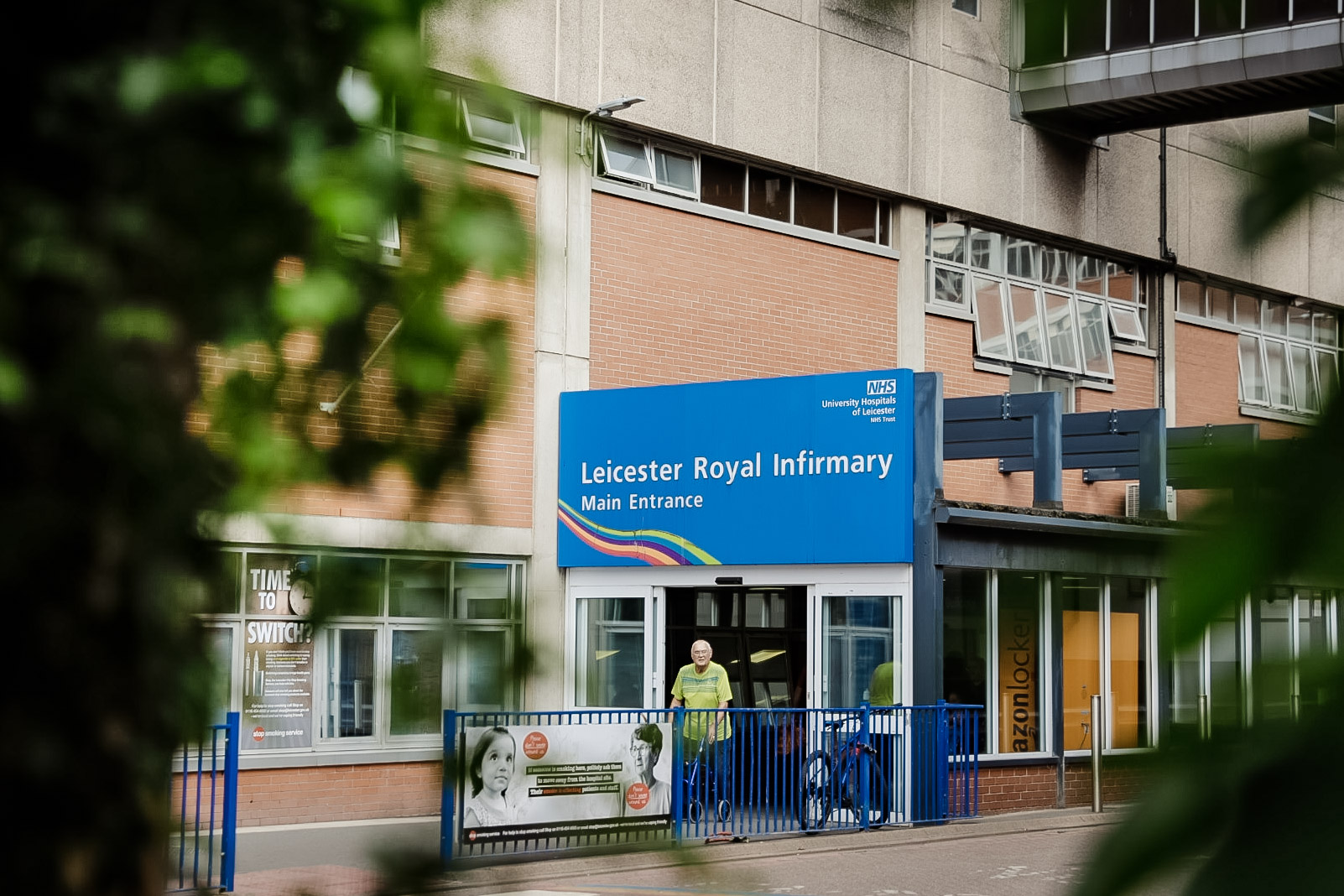
University Hospitals of Leicester faced documentation workflow challenges that affected care continuity and operational efficiency across its outpatient specialties.
Letters were taking nearly a week to reach patients and GPs, creating delays in care coordination and follow-up. Reliance on outsourced transcription services introduced additional delays and removed direct control over documentation timelines.
Separation between consultation, transcription, and approval meant documentation was rarely finalised during clinic hours. The system was fragmented by design, with delays built into every step.
The 4-week pilot set out to test whether ambient voice technology could eliminate those backlogs and return control over documentation timelines to the trust itself.
During the 4-week pilot, clinicians immediately noticed the shift. Instead of waiting for outsourced transcription and approval cycles, letters were generated instantly and could be reviewed and finalised before the clinician left the clinic.
Administrative staff, instead of spending time chasing transcription delays, could focus on supporting patient communication, scheduling, and service coordination.
University Hospitals of Leicester's 4-week pilot validated that ambient voice technology can eliminate transcription backlogs and accelerate letter turnaround across busy acute trust settings. The timeframe validates that benefits are realised quickly once the technology is deployed, with minimal disruption to existing clinical workflows.
The pilot's success across diverse specialties — women's health, paediatrics, haematology, respiratory — suggests the approach is generalisable and not limited to specific clinical contexts. For NHS trusts facing similar transcription delays and external service dependencies, University Hospitals of Leicester's experience offers evidence that ambient voice technology can address these challenges at scale while improving documentation quality and clinician experience.
