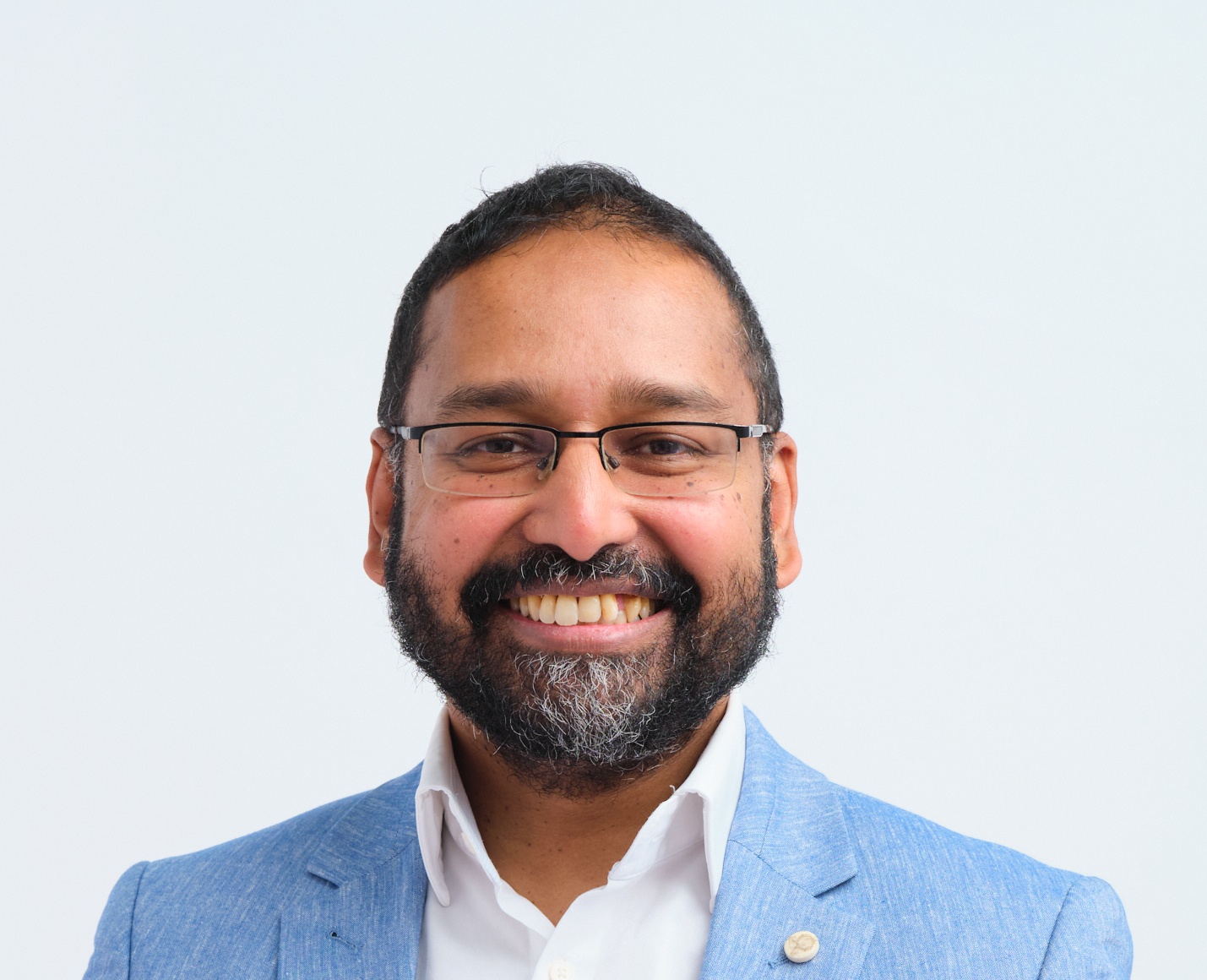
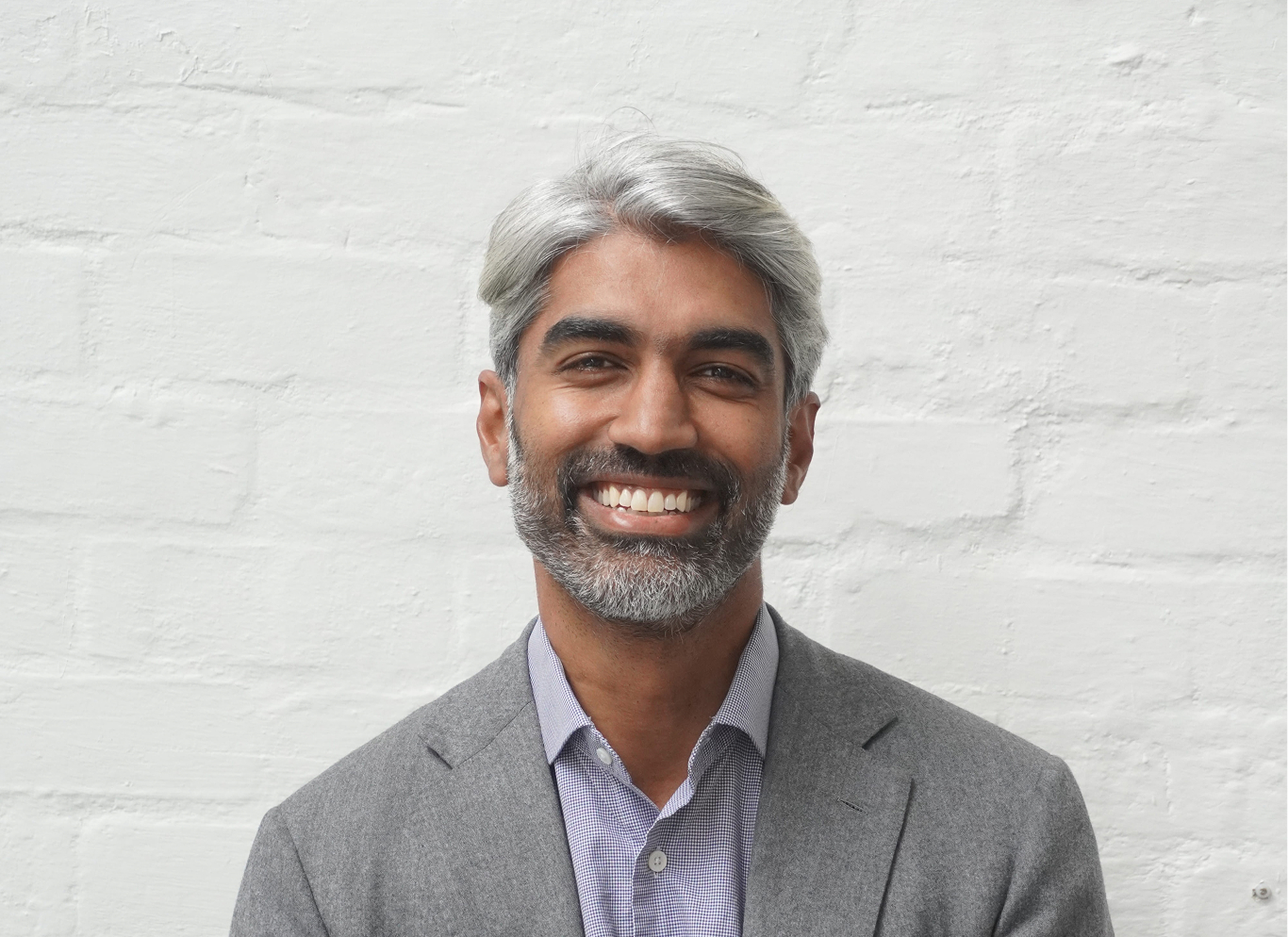
Meet Dr. Ray Boyapati, Chief Clinical Officer

Good technology is not enough. What healthcare needs is AI that works at the point where it matters most: the interaction between clinician and patient. That requires clinical leadership that understands what practice actually looks like from the inside, and the organisational commitment to build around that reality.
Dr. Ray Boyapati is a consultant gastroenterologist at Monash Health specialising in inflammatory bowel disease, Adjunct Senior Lecturer at Monash University, and holds a doctorate from the University of Edinburgh. His peer-reviewed research has been cited over 1,900 times, a body of work that reflects both the rigour and the clinical stakes he brings to every problem he works on.
Ray is passionate about advocating for clinicians, and quality and equitable care for patients. He is a nationally recognised medical leader, and current chair of the IBD faculty of the Gastroenterology Society of Australia (GESA) where has led projects to improve access to high-quality gastroenterology care.
He joins Lyrebird with a mandate to embed clinical rigour into the DNA of the product, not as a feature, but as a foundation.
Can you describe your role and what success looks like?
My role is to make sure Lyrebird is built from the reality of clinical care upwards, so clinicians can trust it, patients are protected, and technology genuinely improves the consultation rather than adding another layer of complexity.
For clinicians, that means the product should feel like it understands the reality of a busy clinic: time pressure, interruptions, medicolegal risk, patient complexity, and the need to make safe decisions quickly. I understand this because I am a practicing clinician. I live it alongside my colleagues every day, and my role is to make sure those realities shape what Lyrebird builds.
For patients, the goal is not to put technology between them and their clinician. It is the opposite: to give clinicians more capacity for attention, better information, and more time to focus on the person in front of them.
Success is not just when clinicians say the product saves them time. It is when they say it helps them deliver better, safer, clearer care, and when patients feel that difference in the room. The evidence has to follow that: not just whether the technology works in a demo, but whether it improves real clinical work in real clinical environments.
What does responsible AI deployment in healthcare actually look like?
Responsible AI in healthcare means clinicians always understand what the technology is doing, where its limits are, and what still requires their judgement.
It means patients are not exposed to untested claims or hidden risk. It means the product is evaluated not just for technical performance, but for whether it supports safe, high-quality care in the messy reality of clinical practice.
Honest claims, rigorous evaluation, clear limits, human clinical judgement, and governance that reflects the real-world consequences of healthcare decisions. That is what responsible deployment actually requires.
What drew you to Lyrebird Health?
As a practising clinician, I've seen firsthand that healthcare technology succeeds or fails in the details of real clinical work. In busy clinics, with complex patients, imperfect information, and decisions that carry real consequences. AI cannot be built for that environment from a distance.
What drew me to Lyrebird was that the team already understood this. Clinical trust is not treated as a marketing claim here, it shapes how decisions get made. And at the scale Lyrebird is now operating, with real clinicians, real patients, and real consequences, formalising that clinical leadership felt not just right, but necessary.
The best technology will not be imposed on healthcare. It will be shaped with the people who have to live with its consequences
What should clinicians know about how Lyrebird approaches safety and evaluation?
Clinicians should know that safety at Lyrebird starts with a simple question: does this help a real clinician do better work, with a real patient, in the reality of clinical practice? Not just in a controlled setting or a favourable demo.
Answering that honestly requires rigorous evaluation, clinical judgement built into every review process, and the willingness to act on what the evidence shows, even when it is uncomfortable. That is the standard we hold ourselves to.
What does building with the clinical system mean to you?
Building with the clinical system means recognising that healthcare is not just a software market. It is a trust system. Clinicians, patients, health services, regulators, and professional bodies all have a stake in whether these tools are safe and useful.
The best technology will not be imposed on healthcare. It will be shaped with the people who have to live with its consequences.
Your background is clinical and academic. How do those worlds connect for you?
My clinical work has been in chronic, complex disease, where patients often live with uncertainty, fragmented care, and decisions that are rarely black and white. That has shaped how I think about AI in healthcare.
The aim cannot just be faster documentation or slicker workflows. The aim has to be better-supported clinicians and better care for patients over time.
What do you do outside of medicine and work?
Outside of work, I spend most of my time with my wonderful family - my wife and our young three kids. They make life full (and busy!) and keep everything in perspective. We love travelling together, and when there’s a spare moment, I’m usually following Liverpool Football Club, reading, or catching up with friends.

Appointing Ray reflects how we've chosen to build and signals the standard we intend to keep. The first wave of AI clinical documentation proved the technology could work. This moment demands something harder: proving it can be trusted.
Trusted by the health systems, teaching hospitals, and clinical leaders who define the standard for excellent care. Trusted in the environments where the stakes are highest - emergency departments, ICUs, complex specialist settings.
Those institutions don't deploy on promise. They require evidence they can verify, governance frameworks they can audit, and clinical leadership they can hold accountable.