5 Ways AI Medical Scribes Improve Patient Care

AI medical scribes are transforming healthcare by automating note-taking and freeing up doctors to focus on patients. Here's how they're making a difference:
- Better doctor-patient interactions
- More accurate medical records
- Time savings for healthcare providers
- Improved medical decision-making
- Increased patient satisfaction
Quick Comparison:
| Aspect | Without AI Scribe | With AI Scribe |
|---|---|---|
| Doctor's focus | Split between patient and notes | Primarily on patient |
| Record accuracy | 85-90% | 95-98% |
| Time spent on paperwork | 1-2 hours daily | Significantly reduced |
| Patient satisfaction | Lower | Higher |
| Cost | $32,000-$42,000/year (human scribe) | Starts at $200/mth |
AI medical scribes are changing how doctors work and patients receive care. They're not perfect, but they're helping create more accurate records, save time, and improve the overall healthcare experience.
How Medical Record-Keeping Has Changed
Medical record-keeping has evolved dramatically since the 1920s. Here's how:
Paper Records: The Old Way
For years, doctors used paper files. This caused problems:
- Lost or damaged files
- Messy handwriting
- Slow info sharing
- Space hogs
Jackson Health Systems learned this the hard way. They got slapped with a $2.15 million fine for losing 756 patients' private info.
Going Digital: The Big Shift
The 1980s saw hospitals start using computers for patient tracking. This kicked off Electronic Health Records (EHRs). In 2009, the U.S. government supercharged the switch:
| Program | Max Incentive |
|---|---|
| Medicare | $44,000 per doctor |
| Medicaid | $65,000 over 6 years |
It worked. Most doctors now use EHRs.
Why EHRs Are Better
EHRs fix old paper problems:
- Easy to read and find info
- Safer storage
- Quick sharing between doctors
- Space-saving
They also help spot health issues faster and avoid med mix-ups.
The AI Helper: A New Chapter
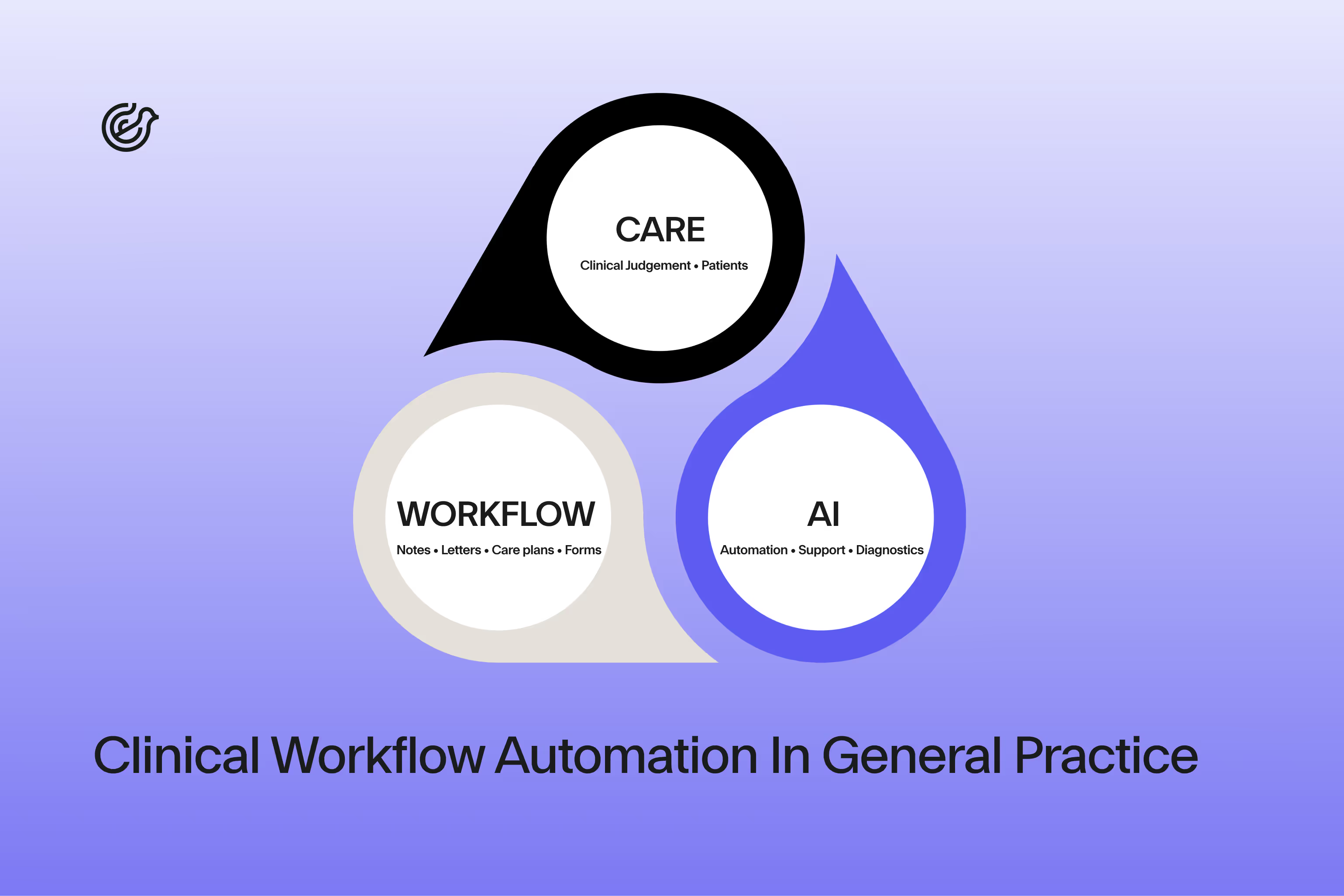
Now, AI medical scribes are changing the game. They listen to doctor-patient talks and jot down key points. This lets doctors focus on patients, not typing.
"AI is designed to enhance — not replace — traditional care delivery. Thoughtful implementation of AI offers boundless opportunities for clinical care improvements." - Dr. Juan Rojas, University of Chicago
AI scribes are set to play a big role in improving patient care even more.
1. Better Doctor-Patient Talks
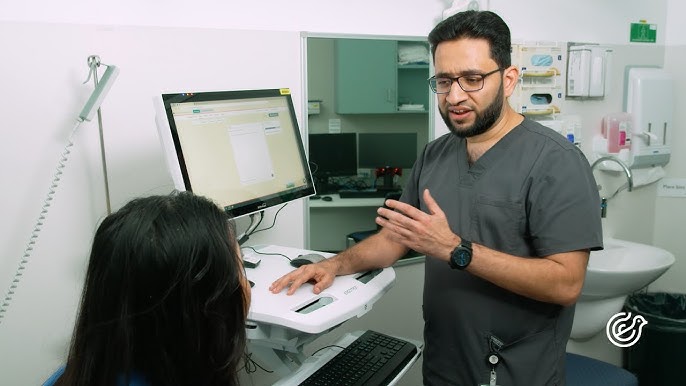
AI medical scribes are changing the game for doctor-patient interactions. They're taking over note-taking, freeing up doctors to focus on what really matters: their patients.
Here's the deal:
- Doctors make more eye contact
- They listen better
- Conversations go deeper
What does this mean? Doctors understand patients better, make more accurate diagnoses, and explain treatments more clearly.
A doctor at Regional Medical Associates put it this way:
"[it] kills repetitive typing. We can focus on what matters: patient care."
Even patients notice the difference. A patient said:
"The AI scribe let my doctor focus on me. He could watch my reactions and assess me without reaching for a keyboard."
Bottom line: AI scribes are making doctor visits more human.
2. More Correct Medical Records
AI medical scribes are changing how we keep patient files accurate. Here's how:
They cut down on mistakes by turning doctor-patient talks into written notes. This means fewer typos and mix-ups.
They keep things consistent. Medical terms and codes are used the same way every time. No more confusion when different doctors look at a patient's file.
Let's look at some real results:
| Improvement | Before AI Scribe | After AI Scribe |
|---|---|---|
| Accuracy | 80-85% | 95-98% |
| Time saved | - | Up to 3 hours/day |
| Errors flagged | Manual review | Automatic alerts |
This extra time lets doctors fix any issues in the records right away.
Why does this matter? Better records mean safer patient care. Fewer mistakes mean less risk of wrong treatments. And clear notes make it easier for other doctors to understand what's going on.
3. Faster Work and Time Savings
AI medical scribes are revolutionizing doctors' workflows. Here's how:
Slashing Paperwork Time
Doctors using AI scribes are seeing huge time savings:
- Most doctors at The Permanente Medical Group saved an hour daily
- South Shore Family Practice halved documentation time for acute visits
- Douglas County Family Practice saves 2-3 hours per day on notes
Boosting Patient Capacity
Less paperwork = more patient time:
- Douglas County Family Practice now sees 3-5 more patients daily
- This efficiency boost can pump up practice revenue
Real-Time Note-Taking
AI scribes work as doctors talk:
- Conversations instantly become clinical notes
- Doctors can review and sign off quickly, often same-day
Speed Meets Accuracy
AI scribes aren't just fast - they're precise:
| Human Transcription | AI Transcription |
|---|---|
| 85-90% accuracy | 95-98% accuracy |
Higher accuracy means less time fixing errors later.
Work-Life Balance Boost
Less paperwork means doctors can clock out on time:
- Reduced stress from unfinished notes
- More family and personal time
4. Help with Medical Choices
AI medical scribes are changing the game for doctors. Here's how:
Quick Access to Patient History
AI scribes organize patient info in real-time. Doctors can see full medical histories at a glance, spot patterns, and make faster decisions.
Reducing Errors
AI scribes are more accurate than humans:
| Human Transcription | AI Transcription |
|---|---|
| 85-90% accuracy | 95-98% accuracy |
This means fewer misdiagnoses and better treatment plans.
Saving Time for Better Care
Doctors save 1-2 hours daily on paperwork with AI scribes. This extra time can be used to see more patients, think through complex cases, or stay up-to-date on new treatments.
sbb-itb-2b4b1a3
5. Happier Patients
AI medical scribes are changing the doctor-patient relationship. Here's how:
More Face Time with Doctors
With AI handling paperwork, doctors can focus on you. This means:
- Better eye contact
- Active listening
- Stronger connections
Faster, Smoother Appointments
AI speeds up documentation, cutting wait times. One big city hospital saw higher patient satisfaction scores as a result.
Clearer Communication
AI helps break down medical jargon:
| Without AI | With AI |
|---|---|
| Medical jargon | Plain English |
| One-size-fits-all | Tailored explanations |
This matters. Most studies show better outcomes when patients get care plans in their own language.
Personalized Care
AI flags important details doctors might miss, leading to more targeted treatment.
Feeling Heard
When doctors aren't buried in notes, patients feel more valued. This builds trust and improves follow-through on treatment.
Up-to-Date Records
AI keeps patient info current, meaning:
- Fewer repeated questions
- Better-informed decisions
- Smoother handoffs between doctors
Bottom line? Patients of doctors using AI scribes feel more cared for during visits.
Lyrebird Health's AI Scribe Tool

Lyrebird Health's AI scribe is shaking up the medical world.
The AI scribe listens in on appointments, turning doctor-patient consultations into accurate text. It strips out personal details and formats everything to meet industry standards.
It's a massive time-saver. Doctors typically spend 30-40% of their day drowning in paperwork. With Lyrebird? They save 6-8 minutes per appointment. That adds up to 10 hours a week!
Dr. Alexander Beath, FRACGP says "It's a game changer for my medical practice."
Lyrebird isn't just talk. It's Australia's go-to AI assistant for healthcare, handling 15,000 consults a week and being used by almost 60% of Aussie GP clinics.
"For us, it's all about enabling those lifelong relationships with your practitioner, which is what medicine should be about." - Linus Talacko, Co-Founder of Lyrebird Health
The tool works for all types of appointments - in-person, telehealth, even in noisy spots. It creates legally compliant docs on the fly and learns a doctor's writing style in just 5 consults.
Bottom line? Lyrebird Health isn't just saving time. It's letting doctors do what they do best: take care of patients.
Problems and Things to Think About
AI medical scribes offer benefits, but they come with challenges. Let's dive into the key issues:
Privacy and Security Risks
AI scribes handle sensitive patient data, raising privacy concerns. Healthcare providers must:
- Follow HIPAA and other privacy laws
- Use strong data encryption
- Control access to patient information
Accuracy and Oversight
AI scribes can make mistakes, potentially leading to:
- Wrong diagnoses
- Incorrect treatments
- Billing errors
The lack of independent checks on AI scribe performance is concerning. Providers are on the hook for any mistakes in AI-generated notes.
Bias in AI Systems
AI scribes can show bias, affecting patient care:
- Poor performance for underrepresented groups
- Misinterpreting symptoms due to limited training data
- Worsening healthcare inequalities
Learning Curve for Healthcare Staff
Using AI scribes takes time to learn. Staff need training to:
- Interact with the AI system
- Spot and fix errors in AI-generated notes
- Balance tech use with patient care
Integration with Existing Systems
Fitting AI scribes into current healthcare tech can be tricky:
- Connecting AI scribes with electronic health records (EHR)
- Keeping patient info consistent across visits
- Handling complex medical terms and accents
To tackle these challenges, healthcare providers should:
1. Choose AI scribes that integrate with their current systems
2. Start small: Test AI scribes on a limited scale first
3. Train staff on using and checking AI-generated notes
4. Keep an eye on privacy and security measures
As AI scribes become more common, addressing these issues will be crucial for improving patient care while protecting privacy and ensuring accuracy.
What's Next for AI Medical Scribes
AI medical scribes are changing healthcare. Here's what's coming:
Smarter EHR Integration
AI scribes will work better with EHRs:
- Faster data entry
- Fewer errors
- Less paperwork
DeepScribe now works with Epic EHR, turning conversations into EHR notes.
Better Voice Recognition
AI scribes will understand accents and medical terms better. Current models are 95-98% accurate. This will improve.
Expanded Roles
AI scribes won't just take notes. They'll:
- Remind about tests or meds
- Automatically write follow up documents
- Screen your patients
- Help with billing
More Time and Money Saved
AI scribes already save time:
- 50% less documentation time
- 1-2 hours saved daily
- 15-25% more patients seen
These numbers could grow.
Wrap-Up
AI medical scribes are shaking up healthcare. Here's how they're helping patients:
- Better Doctor-Patient Consult: Doctors can focus on you, not their computer.
- More Accurate Records: AI cuts down on mistakes.
- Time Savings: Doctors can see more patients or finish work earlier.
- Happier Patients: More doctor attention means better visits.
These changes are big. Look at the impact:
| Impact Area | Before AI Scribes | With AI Scribes |
|---|---|---|
| Doctor's Time | 35% on paperwork | More patient care |
| Accuracy | 85-90% manual | 95-98% with AI |
| Cost | $32,000-$42,000/year (human) | Starts at $200/mth |
| Patient Throughput | Limited | Increased |
As AI scribes improve, they'll do more than take notes. They'll help find answers, remind about tests, and work better with health records. The result? Doctors focusing on what really matters: you.
FAQs
What is a medical AI scribe?
A medical AI scribe is a digital tool that automates medical note-taking using AI. Here's how it works:
- Captures doctor-patient conversations via a secure smartphone
- Uses machine learning to summarize clinical content
- Creates detailed visit notes without recording conversations
An OB-GYN, says: "I have a better work-life balance with my family. I leave work at work and get home earlier."
What are the benefits of AI scribe?
AI scribes pack a punch:
| Benefit | Description |
|---|---|
| Time Savings | Doctors save up to 2 hours daily on documentation |
| Better Accuracy | 85-90% improvement in documentation quality vs. manual entry |
| Cost-Effective | $200 /mth vs. $32,000-$42,000 for a human scribe |
| Better Patient Care | Doctors focus more on patients |
| Smoother Workflow | Integrates with EHRs for instant updates |
Anthony J. Mazzarelli, MD, JD, MBE, co-president and CEO of Cooper University Health Care, puts it bluntly: "I believe a lot of doctors see patients for free. They get paid to do paperwork." AI scribes tackle this head-on by automating documentation.