
Dr. Ulla Gerich-McGregor was working until midnight to finish her notes. A complex rehabilitation practice, no secretary, and letters that took two and a half hours each.
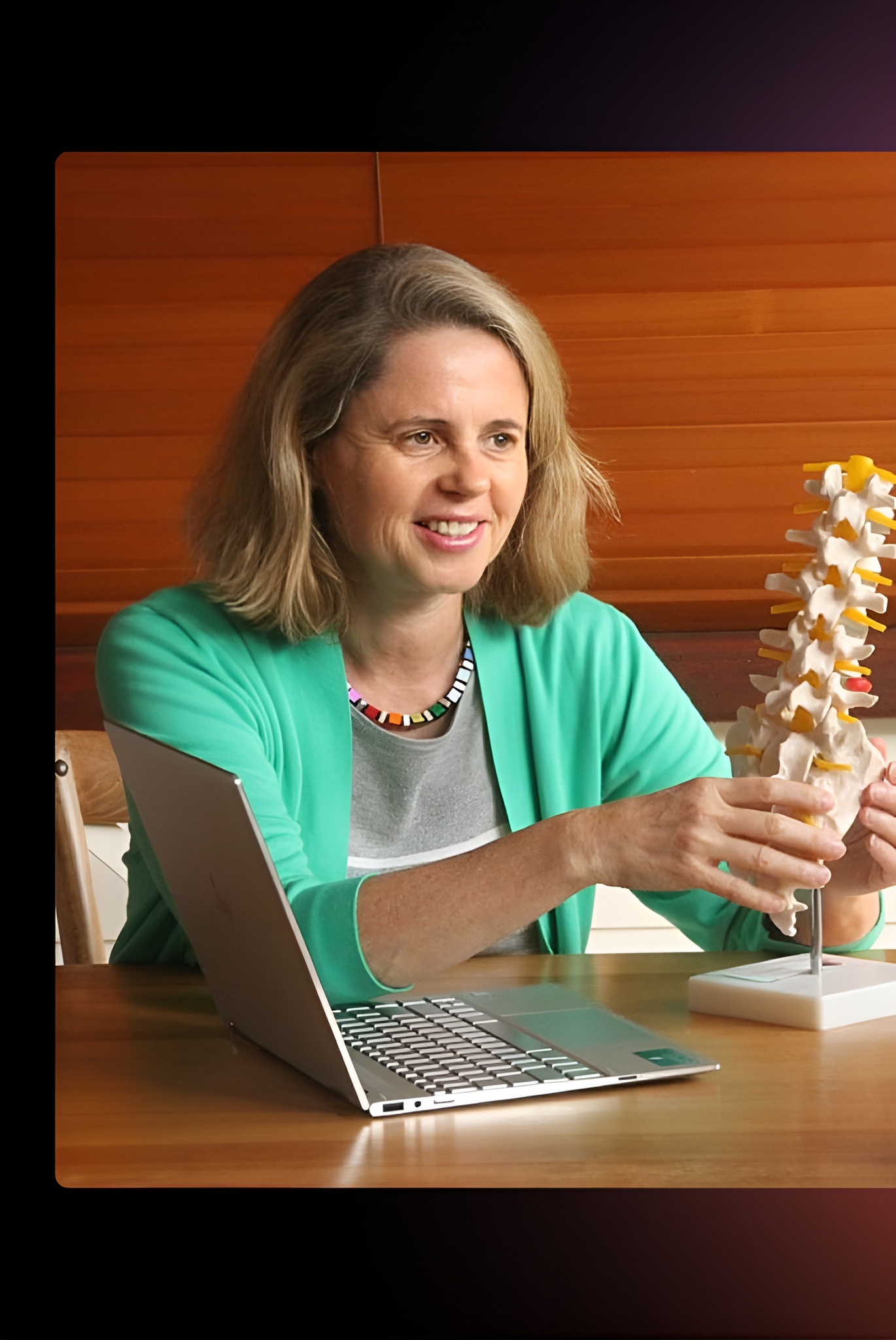
Rehabilitation medicine is documentation-intensive by nature. Dr. Ulla Gerich-McGregor's patients at Rehab Balance often present with complex conditions, persistent pain, traumatic brain injury, spasticity, orthopaedic rehabilitation, and many cases end up in court. Thorough, thoroughly documented records are essential.
The process: handwritten notes during a consultation of an hour or more, then dictation afterward, sometimes complex insurance letters running to five pages, taking up to an hour to dictate alone. Her secretary transcribed and edited, then Dr. Gerich-McGregor reviewed and edited again. A further 20 to 40 minutes. Each patient took around two and a half hours.
When her secretary suffered a wrist injury, she had paid $500 to $1,000 each month for external transcription, often returned at poor quality, on top of the dictation tool and her secretary's salary. The administration load was unsustainable.
In late 2023, a friend suggested Dr. Gerich-McGregor try Lyrebird Health. She requested an introductory session through the website and, over a two-week trial, was impressed.
The workflow was simple: start the consultation, receive consent, let Lyrebird listen in the background. After the consult, stop the recording and within ten seconds receive a synthesised note in her own personalised format. From that note, one click generates the comprehensive letter. Some basic editing and formatting, then it goes to the recipient.
Two and a half hours down to less than one.
An hour saved per patient, seeing 10 to 15 patients a week, comes to roughly 12 hours of administrative time returned every week. Over a working year that is 25 full days, time that now goes back to life outside the clinic.
The telehealth question, which Dr. Gerich-McGregor had initially been uncertain about, turned out to be a non-issue. Lyrebird ran in the background of online consultations and captured everything accurately.
Dr. Gerich-McGregor had initially been uncertain how her patients would respond to being recorded. Following Lyrebird's provision of a QR code for privacy information, she found every patient was not only willing but curious. Lyrebird prompts consent at the start of every consultation.
